Boots and Hearts 2026 delivered the kind of festival moments that remind you why live country music is at its best when the artists can turn a massive field into something that feels personal. Across the day, Ashley Cook, James Barker Band, Tucker Wetmore and Rascal Flatts each brought a distinctly different energy to the stage, moving effortlessly between intimate storytelling, full-scale country-pop celebration and nostalgic sing-alongs.
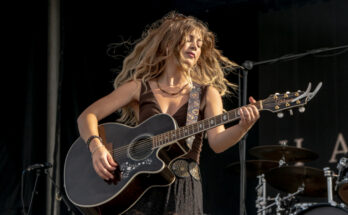
Ashley Cook opened her set with waves rolling across the screens behind her, immediately giving the stage a beachside atmosphere that matched the summer festival setting. Dressed in a striking blue denim outfit with matching blue cowboy boots, Cook looked every bit the rising country star as she stepped onto the stage.
What stood out most, however, was how little she needed beyond her voice and connection with the audience. Her vocal delivery was relatively stripped back, allowing her clear, confident and soulful voice to carry the songs. She took full advantage of the catwalk during “True,” walking directly toward the crowd as thousands of voices joined her.
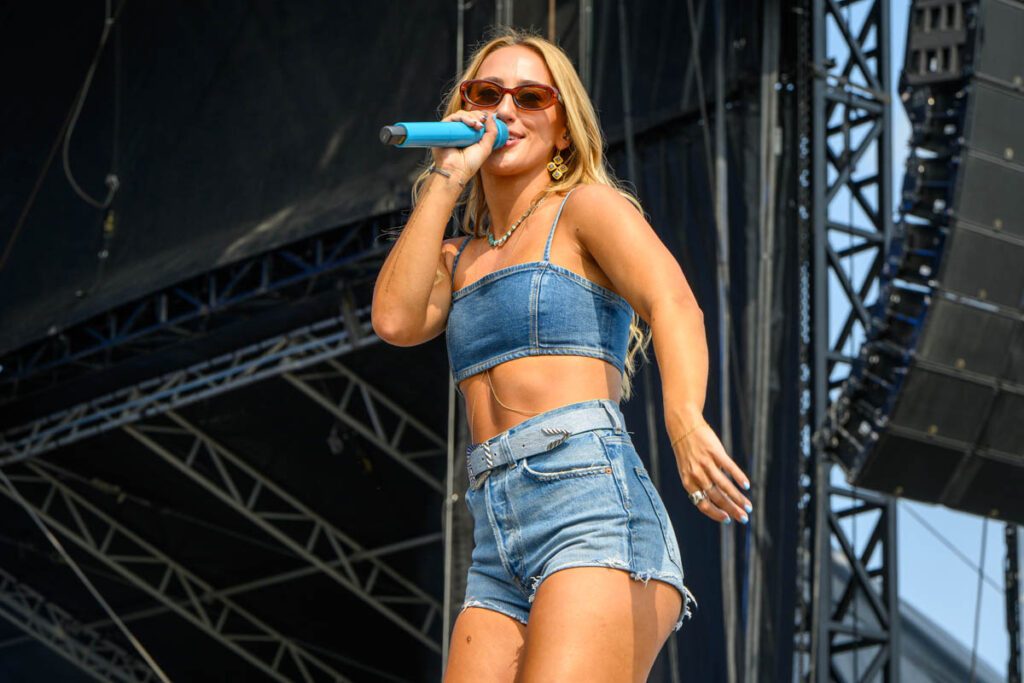
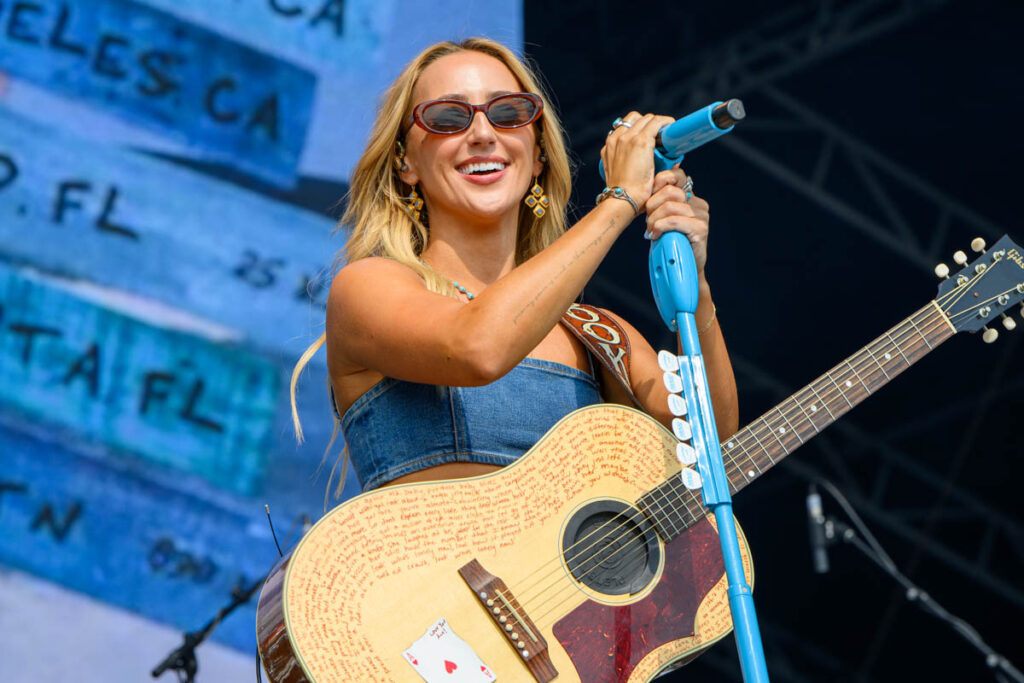
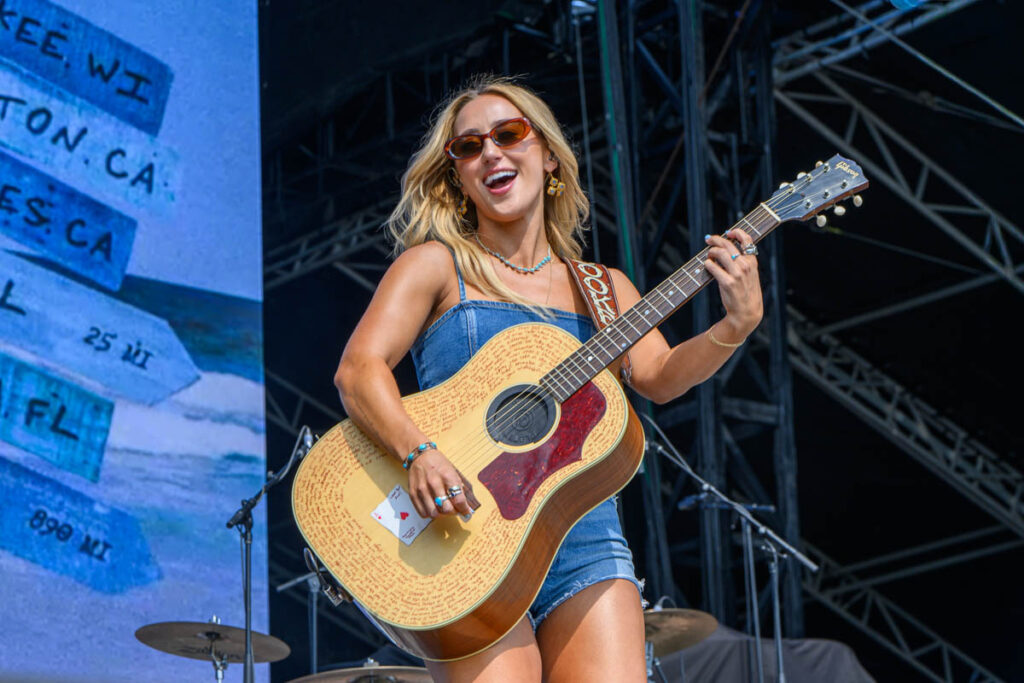
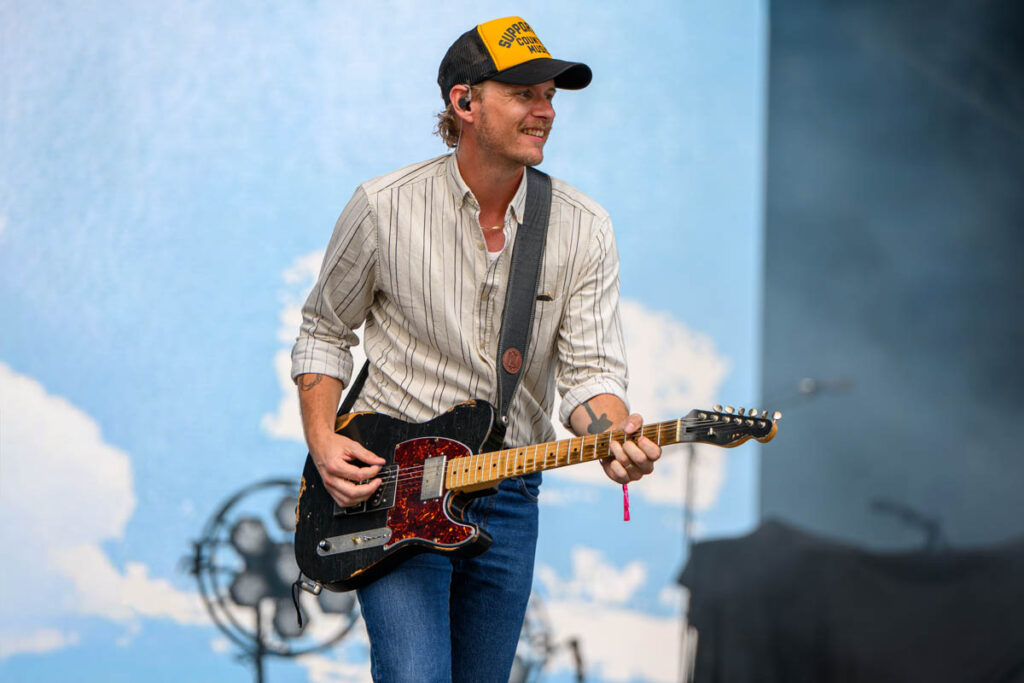
The chemistry between Cook and her band was equally impressive. Her guitar players ventured down the catwalk, adding some fiery guitar work while Cook continued to command the audience. The result was a country-pop party that never sacrificed the intimacy of her songwriting.
That ability to connect became even more apparent when she performed “I Wanna Dance with Somebody.” For a few minutes, the enormous Boots and Hearts crowd stopped feeling like a festival audience and became one enormous choir, singing the song back to her with remarkable enthusiasm.
Cook’s live show increasingly feels like it belongs on a headline stage. She has the confidence to command a large audience, but she also understands that the strongest festival performances are often built around moments of genuine connection. During “Baby Blue,” she sat down and sang directly to a male fan with baby-blue eyes, transforming a signature song into a personal moment that the fan—and everyone watching—was unlikely to forget.
If Ashley Cook represented the future of country-pop, the James Barker Band represented the payoff of years spent building a career from the festival circuit upward.
Their return to Boots and Hearts was undeniably full circle. The band won the Emerging Artist Showcase at the festival in 2015, at a time when they were still establishing themselves. More than a decade later, they returned as one of Canadian country music’s most recognizable live acts.
And the festival gave them another reason to celebrate.
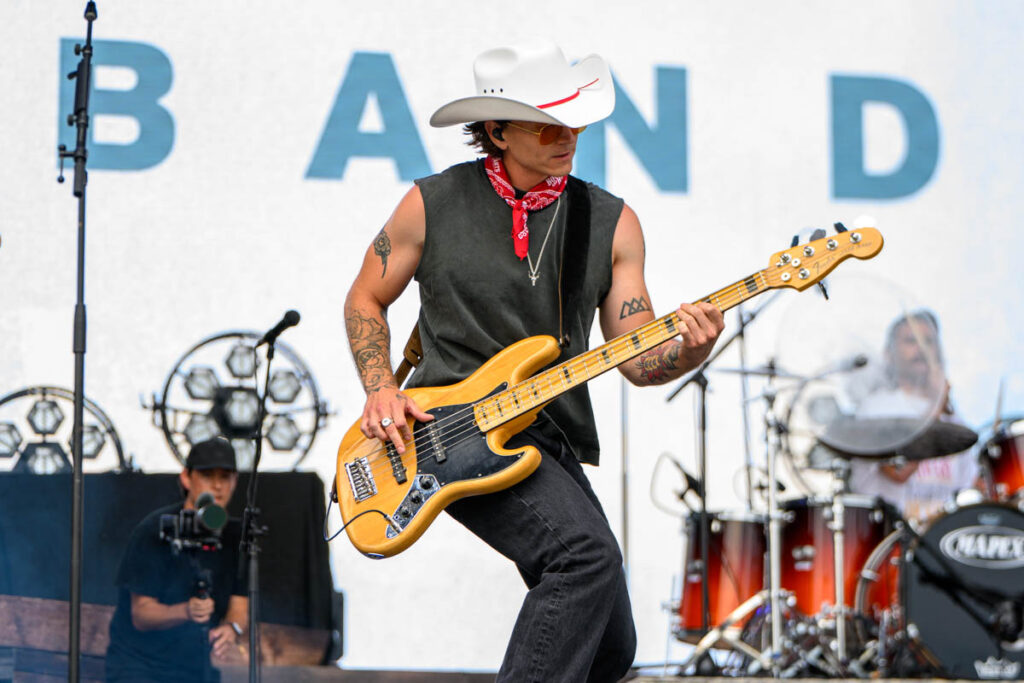
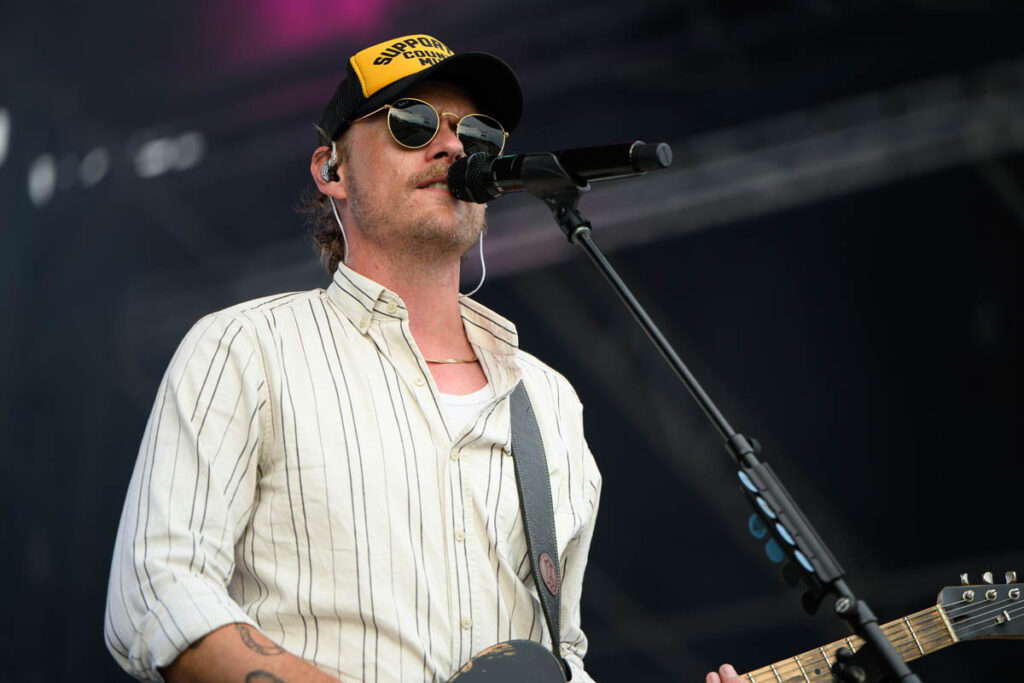
One of the day’s most genuine moments came when Universal Music Canada presented the band with an official Gold certification for “You Didn’t Hear It from Me,” following the song’s success as a number-one radio hit. The reactions on the band members’ faces were priceless—surprise, gratitude and genuine emotion all at once. It was not the polished reaction of a band accustomed to receiving awards; it felt like four musicians genuinely taking in the magnitude of how far they had come.
They soon performed the song, giving the crowd an opportunity to celebrate the achievement with them.
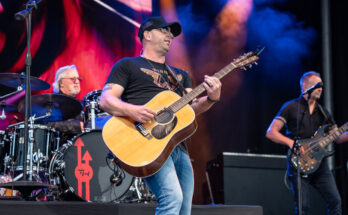
From the opening notes of “Good as It Gets,” the James Barker Band had the audience exactly where they wanted them. “It’s Working” kept the momentum moving, while the band’s combination of polished musicianship and loose, small-town chemistry made the enormous stage feel more like a backyard party.
Bobby’s cowboy hat and unmistakable dimples predictably generated plenty of screams from the younger fans, but the band’s appeal is rooted much deeper than image. There is an infectious authenticity to their performances. When they hit the stage, they appear determined to leave everything behind, playing with the kind of enthusiasm that makes it impossible for the audience not to respond.
Taylor’s rap performance was another standout. His ability to shift the mood and ignite the crowd demonstrated just how versatile the band has become. His delivery was confident, energetic and undeniably entertaining, turning what could have been a side moment into one of the set’s biggest crowd reactions.
The James Barker Band also knows how to tell its own story through its music. “Living the Dream” is particularly connected to Boots and Hearts history. The band wrote the song while attending the festival when they were broke, wandering the campgrounds and collecting lines and requests from different campsites. Hearing that song years later on one of the festival’s major stages gave the performance a sense of history that was impossible to manufacture.
Then came the kind of spontaneous festival moment that makes live music so unpredictable. A guest from the Trailer Park Boys joined the band onstage during “Living the Dream,” appearing shirtless and dancing his way through the performance. The crowd responded with equal parts laughter, screaming and singing, while the band embraced the chaos.
By the time “Lawn Chair Lazy” arrived, the festival grounds had effectively become one giant party. Fans sang every word, turning the performance into a wall of voices. For a band that once won an emerging artist competition at this very festival, it was a fitting reminder that the road from aspiring newcomer to festival headliner is sometimes built one Boots and Hearts appearance at a time.
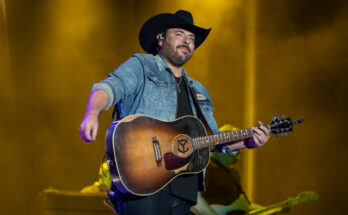
Tucker Wetmore brought a more contemporary edge to the festival, combining country with elements of rock and hip-hop while maintaining the storytelling tradition at the centre of his music.
The anticipation started before he even appeared. Fans were handed baby-blue baseball caps bearing the message “I Got Wetmore at Boots and Hearts 2026,” setting the tone for a performance clearly designed to be an experience as much as a concert.
Wetmore walked onto the stage dressed casually in a muscle shirt and beige pants, immediately playing into the crowd’s enthusiasm with his confident personality, infectious smile and playful flexes that generated plenty of screams.
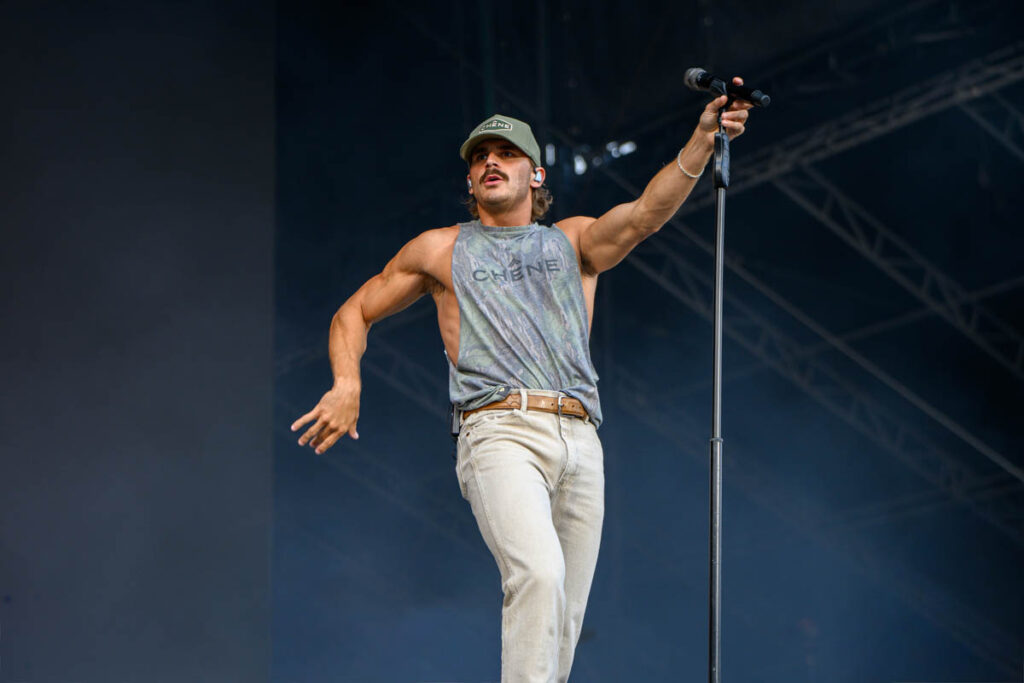
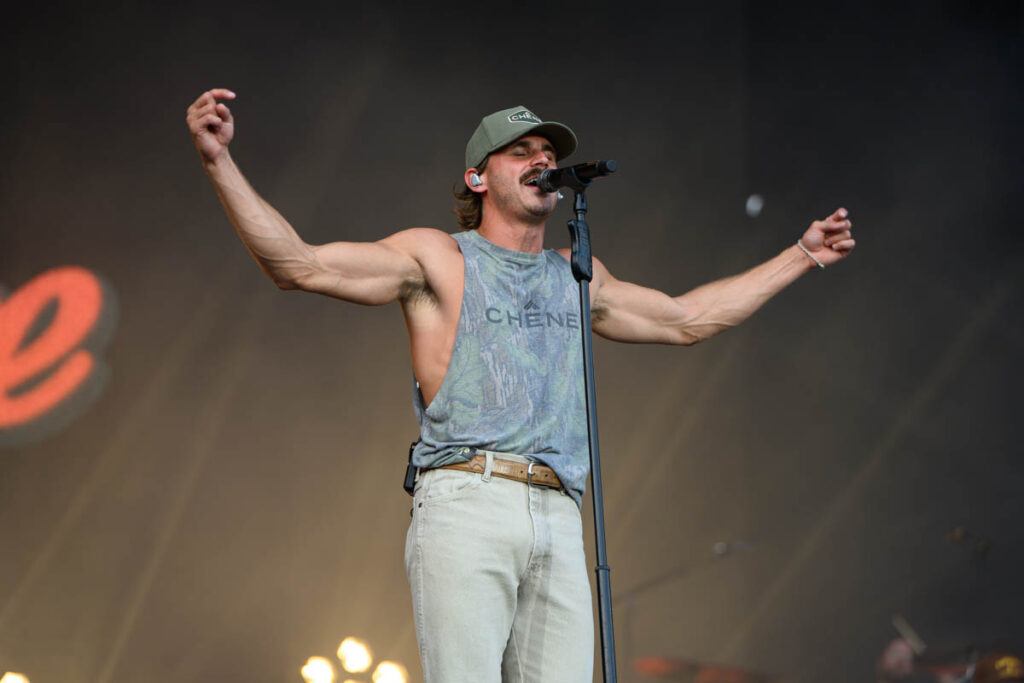
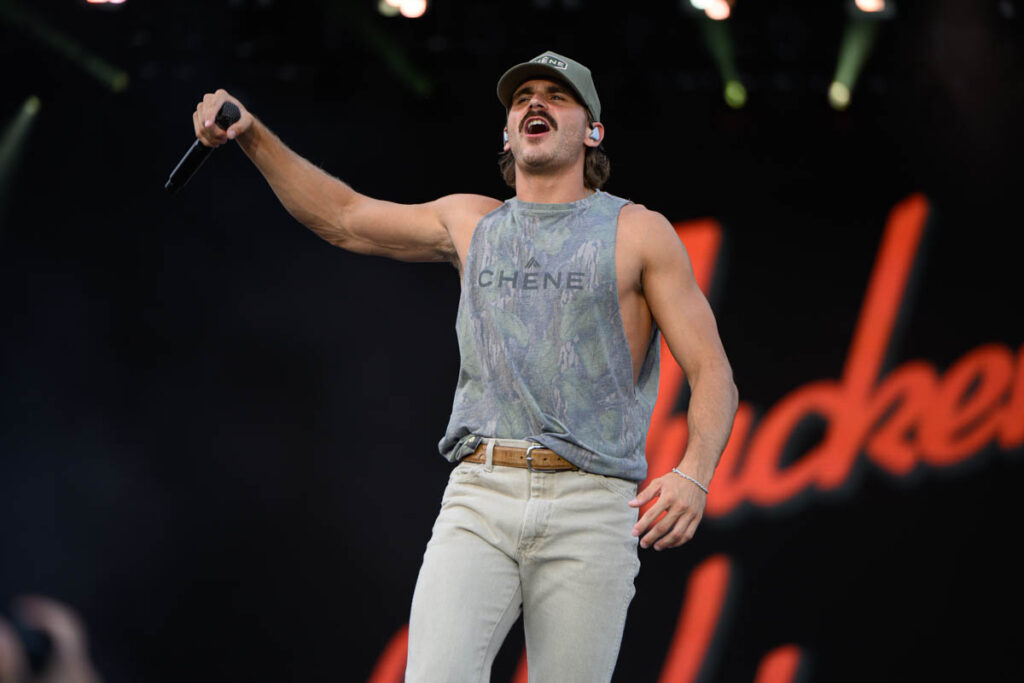
But beneath the obvious star appeal was a musician with considerably more depth. Sitting behind the piano for “Jupiter,” Wetmore spoke about growing up loving the instrument before delivering a performance that showcased a different side of his artistry. His piano playing was relaxed and assured, revealing a genuine musicality that could easily be overlooked amid the energy of his larger-than-life stage presence.
Then he delivered a surprise that brought the entire festival together: “Bohemian Rhapsody.” Thousands of people sang the iconic lyrics back to him, creating one of the evening’s most unexpected and genuinely magical moments.
He returned to the piano for “I Like It, I Love It,” building the arrangement with drums and guitar and demonstrating how naturally he moves between stripped-back musicianship and full-scale festival production.
Wetmore’s set was relentlessly energetic, filled with movement, dance and audience interaction. He repeatedly expressed his affection for Canada and his desire to return, and the crowd rewarded him by singing his lyrics back at full volume.
His sound sits comfortably in the current evolution of country music—modern, genre-blending and heavily driven by storytelling. More importantly, Wetmore possesses the confidence to deliver that sound on a massive stage without losing the personal connection that makes country music work so well in a festival environment.
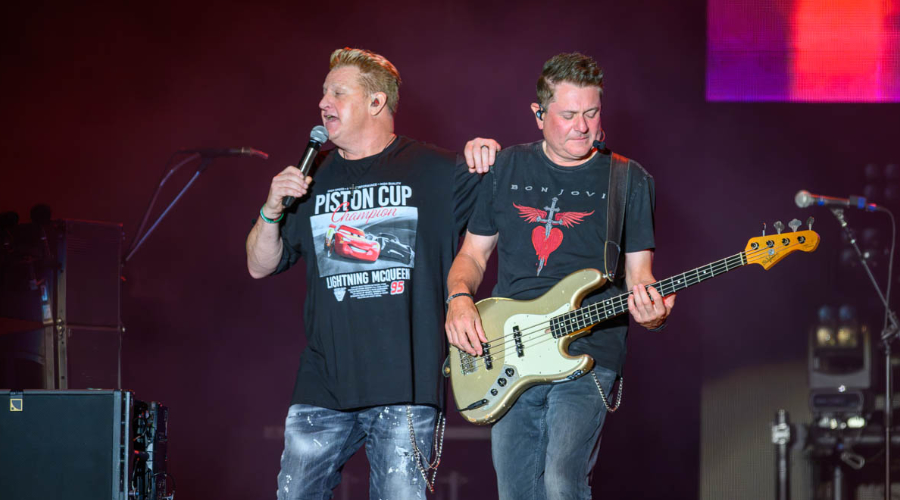
Then came Rascal Flatts, bringing with them something no newer artist can manufacture: history.
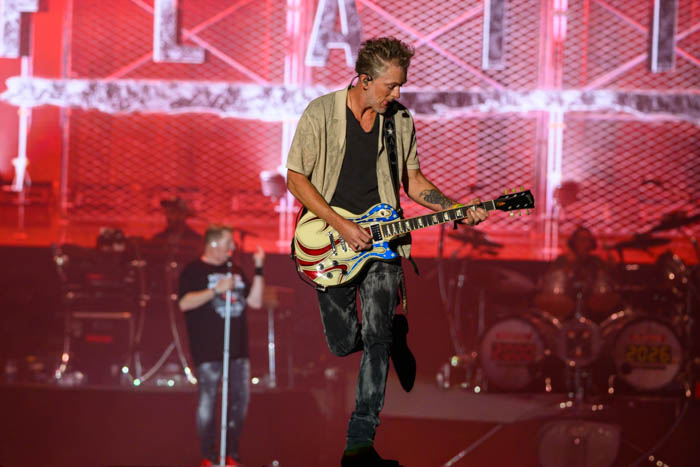
The visual setup immediately acknowledged the band’s legacy. The numbers “2000” and “2026” appeared on the drum set, marking the distance between the beginning of their career and their return to the Boots and Hearts stage. An old-fashioned wooden country backdrop reinforced the feeling that this was both a celebration of the present and a nod to the past.
They opened with “The Boys Are Back,” and the crowd responded accordingly. The band made use of the catwalk during “Fast Cars,” bringing the performance directly into the audience while maintaining the scale and polish expected from a group with decades of experience.
Rascal Flatts’ greatest strength remains their harmonies. They were exceptionally tight throughout the performance, with vocals that sounded remarkably close to the recordings that made these songs country-radio staples.
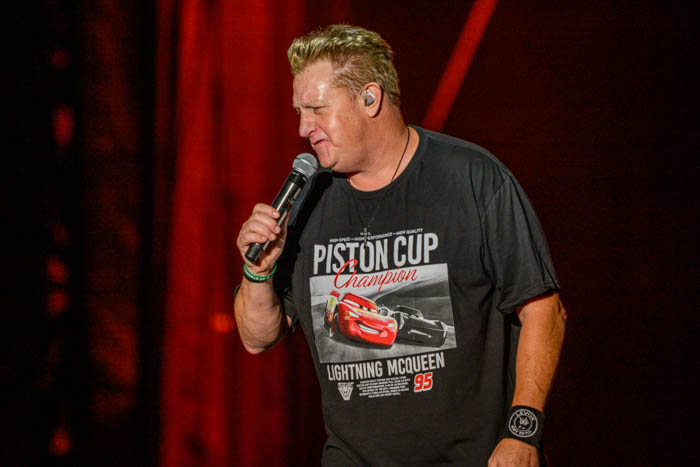
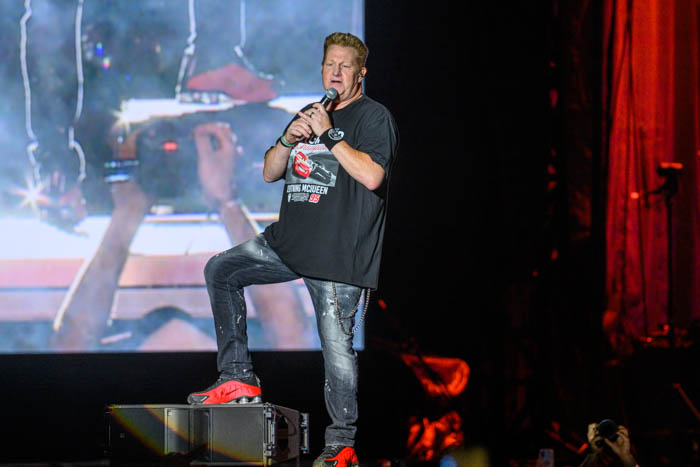
But the most powerful moments were not necessarily the biggest.
“My Wish” created an unmistakable emotional pause, with the audience collectively leaning into the sentiment of the song. Then “Bless the Broken Road” transformed the festival grounds into a sea of cellphone lights as fans held their phones in the air. Thousands of tiny lights illuminated the night, creating a visual that perfectly matched the song’s emotional weight.
The band balanced those ballads with crowd-pleasing anthems, including “What Hurts the Most” and “Life Is a Highway,” each prompting massive sing-alongs and demands for more.
There was something fitting about the range of performances across the day. Ashley Cook demonstrated the confidence of an artist moving toward headline status. The James Barker Band showed what can happen when a festival relationship grows alongside a career. Tucker Wetmore offered a glimpse of where modern country is heading, blending traditional storytelling with rock and hip-hop influences. And Rascal Flatts reminded everyone why some songs never really leave the collective memory of a country music audience.
At Boots and Hearts, the size of the crowd is always impressive. But the best performances are the ones that make that crowd disappear. For a few songs at a time, the thousands in attendance became a choir, a backyard party, a group of friends or simply one audience sharing the same moment.
That is ultimately what made these performances stand out: they did not just fill the stage. They filled the festival with moments people will still be talking about long after the final notes faded.